You must have routine sanitation scheduled according to risk factors, food processing capacity, allergen concerns, and health inspections, combined with verification documentation supporting HACCP compliance, regulatory audits, and public health standards. The information below describe critical cleaning system elements.
Main Points
- Brampton food safety cleaning experts maintain restaurants, grocery departments, commissaries, warehouses, bakeries, schools, mobile vendors, and allergen-sensitive operations.
- They treat frequently contacted areas, food-contact equipment, kitchens, floors, drains, restrooms, and storage areas using sectional methods to reduce cross-contamination.
- Proper chemical concentration, appropriateness, and contact time are validated by qualified providers, with completion filed via swabs, reviews, and action records.
- Threat, output capacity, transitions, accidents, and guidelines should shape maintenance calendars, with everyday, regular, and seasonal operations designated by zone.
- Select vendors with HACCP, public-health, competency, WHMIS, education, protection, testimonials, coded instruments, and assessment-ready cleaning documentation.
Brampton Establishments That Need Food Safety Cleaning: Which Ones?
Brampton venues that process, store, prepare, package, or distribute food require sanitation protocols. Implement it if your facility is covered by health department oversight, food standards, or HACCP systems. The rule covers restaurants, cafeterias, commissaries, grocery food departments, butcher shops, seafood counters, convenience stores, and institutional kitchens.
You also need documented food sanitation in storage facilities, food production centers, refrigerated locations, bakery retailers, school meal programs, event venues, and food distribution hubs. Portable and seasonal businesses count too, including food trucks, event vendors, and temporary booths. If your staff handle ingredients, section prepared foods, heat finished items, or keep allergens stored, your facility needs documented cleaning protocols. In Brampton, sanitation isn't elective; it's part of statutory, business, and public health compliance.
What Do Brampton Cleaning Professionals Handle?
Your operation needs cleaning professionals who sanitize all high-touch areas, kitchens, all floor types, and restrooms to maintain food safety compliance and public health standards. These zones receive attention because they represent the most significant contamination risk, hazardous walking conditions, and breaches of sanitation codes.
When you understand what they clean, you can ensure your operation's cleaning procedures satisfy operational and regulatory requirements.
Key High-Touch Surface Disinfection
Trained Brampton janitorial staff appreciate that high-touch surfaces call for disinfection since these areas hold microbes and organic residue. You require a documented schedule for sterilizing door handles, push plates, switches, railings, shared equipment controls, POS terminals, and refrigerator pulls. Implementing surface identification mapping, professionals identify every frequently handled zone and establish cleaning intervals
By swapping wipes, implementing unidirectional cleaning methods, and dividing sanitization equipment by zone, you ensure a documented, documented, and inspection-ready cleaning program.
Kitchens, Floors, and Restrooms
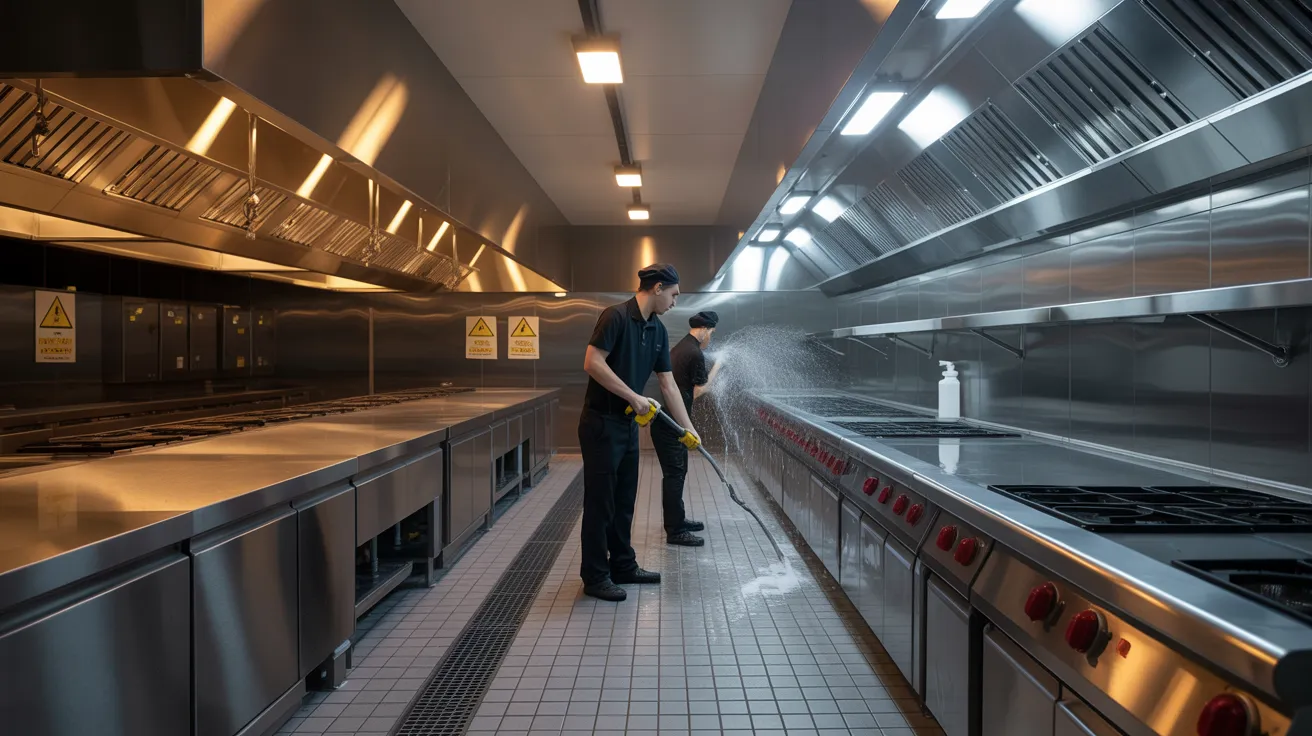
Expect Brampton cleaning experts to focus on kitchens, floors, and restrooms because each area carries unique foodborne illness prevention, accident prevention, and sanitation risks. In industrial kitchens, you need grease removal from cooking stations, appliance surfaces, drain systems, preparation areas, and backsplashes to minimize contamination and pest pressure.
Floor care that is documented should also be anticipated. Technicians clean and remove buildup from tile grout, ceramic surfaces, and vinyl floors, then apply correct drying techniques so you can reduce slip incidents and maintain code-compliant conditions. They also address entry points where dampness and dirt enter the building.
For restroom sanitation, cleaners disinfect high-touch surfaces, bathroom fixtures, stall dividers, supply dispensers, and trash receptacles, then restock supplies and control odours. They also service restaurant moprooms, where chemical storage, sink hygiene, and drainage conditions can affect sanitation compliance and staff safety daily.
Food Safety Cleaning Significance for Brampton Businesses
In Brampton, you must maintain food-safe cleaning standards to meet health code requirements and achieve compliance. You also minimize cross-contamination by cleaning and sanitizing food-contact surfaces, equipment, and high-touch areas correctly. Most importantly, you help protect public health by lowering the risk of foodborne illness in your facility.
Food Safety Regulations
Brampton food companies must comply with strict public health standards, so food safety cleaning is essential to satisfying health codes, safeguarding customers, and sidestepping penalties. You must maintain sanitary food-contact surfaces, documented cleaning schedules, appropriate product handling, and traceable training practices that meet municipal and provincial inspection expectations.
Extensive hygiene logs help you to show due diligence during regulatory audits and confirm your practices remain consistent, replicable, and documented. Effective sanitation further facilitates allergen control by decreasing buildup on mutual appliances and regularly touched locations.
Contamination Prevention
Meeting regulatory requirements also depends on your ability to prevent cross-contamination during routine food preparation and sanitation. You must separate raw ingredients from ready-to-eat foods, sanitize prep surfaces between tasks, and store chemicals away from food-contact items. Clear procedures reduce transfer risks and ensure ongoing adherence to health checks.
You could implement allergen segregation to prevent priority allergens from contacting shared surfaces, containers, or equipment. Apply separate boards, color-marked equipment, and strict utensil labeling so team members avoid blending products throughout cooking or delivery. Enforce washing hands following uncooked meat, fish, egg products, or allergens. Change wiping cloths regularly, and check sanitizer strength with test strips. When employees learn these procedures every shift, you create a cleaner, safer operation that matches Brampton's safety requirements every day.
Community Health Protection
When sanitation protocols fails, you don't just risk a failed inspection—you increase the chance of food-related sickness affecting customers, staff, and the wider Brampton community. You also undermine your responsibility in protecting public health, especially in busy food facilities where contamination can spread quickly through surfaces, equipment, and touchpoints.
You must implement sanitation protocols that eliminate contaminants, effectively sanitize, and ensure effectiveness. This entails adhering to contact periods, utilizing authorized sanitizers, maintaining records, and coaching staff to meet health-unit expectations. These initiatives promote disease prevention by suppressing pathogens before contaminating food or hands. In Brampton, robust sanitation protects at-risk groups, minimizes disease spread, and demonstrates accountability. When you adhere to proper protocols, you exceed requirements—you substantially reduce risk and advance safer food handling across the region.
How Can Cleaning Practices Ensure Food Safety Compliance?
Adopting thorough cleaning protocols solidifies food safety compliance by minimizing contamination hazards, limiting pathogen development, and positioning your facility in accordance with sanitation requirements under HACCP-based programs and public health regulations. You verify that food-handling surfaces remain visibly clean and microbiologically controlled, backing documented preventive controls and inspection readiness.
Cleaning programs additionally amplify allergen control by removing residues that can lead to undeclared allergen exposure.
How Do You Arrange Commercial Cleaning Work?
Step up cleaning rate during high-volume production, equipment changeovers, spillage occurrences, and following maintenance work.
facility closures, seasonal soil buildup, or times of elevated pest pressure. If your facility hosts promotions, catering, or public functions, schedule cleaning immediately prior to and after for effective event turnaround
Selecting the Right Brampton Cleaning Experts: Key Considerations
Begin by evaluating providers based on sanitation compliance standards—not solely on budget. You should confirm that each organization comprehends CFIA, public health, and HACCP-based requirements applicable to your facility. Request proof of insurance, WHMIS compliance, staff training documentation, and oversight procedures. Assess whether technicians recognize cross-contamination hazards, chemical handling protocols, and verifiable sanitation records.
You should further examine operational reliability and accountability. Request testimonials from Brampton food businesses, then review response times, corrective-action procedures, and communication protocols. Validate the company supports supplier audits and can supply compliance documentation to authorities or third parties. Confirm equipment receives maintenance, color-coded implements are applied correctly, and site-specific hazards are identified. A experienced service protects compliance, product integrity, and your brand reputation.
What's included in a Food Safety Cleaning Plan?
Create a documented plan that clarifies every sanitation responsibility, standard, and task before production begins. You should outline cleaning frequencies, approved chemicals, dilution rates, contact times, tools, and verification methods for each zone, surface, and piece of equipment. Include pre-operational inspections, corrective actions, and employee training requirements.
Your plan should also cover cross-contamination controls, waste handling, pest-prevention measures, and documented schedules for bathrooms, drainage systems, surfaces, and food-preparation zones. Explain how you'll keep raw and prepared foods apart, enable ingredient tracking, and ensure accurate allergen labeling through validated cleaning between product changes. You should designate accountability, maintain signed records, and compare results against regulatory standards, HACCP controls, and customer requirements. When gaps appear, revise procedures immediately helpful tips and re-educate staff.
Commonly Requested Inquiries
Will sanitation providers handle overnight shifts at Brampton facilities?
If you run regulated facilities, you'll also require documentation that enable audits and ensure compliance.
Do sanitation professionals offer hazard containment services?
Yes, you can expect Brampton sanitation professionals who provide hazard containment solutions. They manage hazardous materials, assess risks, contain contamination, and start rapid decontamination to reduce exposure and avoid operational disruption. You should confirm response times, professional credentials, PPE protocols, and disposal procedures. If your facility must meet regulatory requirements, choose a provider that records events, maintains regulatory procedures, and enables compliance verification.
Will environmentally safe disinfectants disinfect safely food preparation areas?
Absolutely, green disinfectants are secure for food-handling equipment when you pick disinfectants approved for food contact and meeting regulatory standards. You must check contact times, mixing proportions, and rinse protocols ahead of deployment. Natural-based solutions decrease harsh chemical exposure, though you must obtain confirmation of performance against target microorganisms. For ensuring residue-free conditions, implement manufacturer instructions exactly and validate your cleaning agent adheres to relevant food safety standards.
Can maintenance plans change with seasonal production changes?
Absolutely, sanitation programs can be customized for seasonal production changes. Adapt frequencies, staff levels, cleaning agents, and confirmation procedures to fit seasonal patterns while upholding regulatory requirements. Reduce operational delays through scheduling disinfection surrounding changeovers, maximum output, and operational patterns. Further modify SSOPs, training, and monitoring protocols to account for temporary risks, emerging allergens, or higher contamination levels. Periodic assessments ensure the schedule current.
Do commercial cleaning providers coach your team in proper hygiene techniques?
Indeed, professional cleaners typically provide staff training on proper hygiene. Your staff obtains training on safe chemical application, contact times, cross-contamination prevention, equipment breakdown, and documentation. They generally adhere to training with HACCP, GMP, and CFIA or regional health standards requirements. Many perform compliance inspections to confirm standards, reveal issues, and reinforce corrective actions. This assists you to maintain consistent procedures, achieve compliance, and decrease foodborne illness risks on a daily basis.
Conclusion
Through working with Brampton food safety and commercial cleaning specialists, you accomplish much beyond organizing—you keep your operation prepared for audits and your procedures stay aligned with regulations. From production floors to kitchens, all clean areas and kept corners reduce contamination risks and avoid major losses. Through booking service on suitable timelines and adhering to a comprehensive cleaning program, you safeguard employees, your patrons, and your good name. In a tightly controlled regulatory landscape, clean conditions cannot be considered optional—they represent good business practice.